Bird nest in a dryer vent
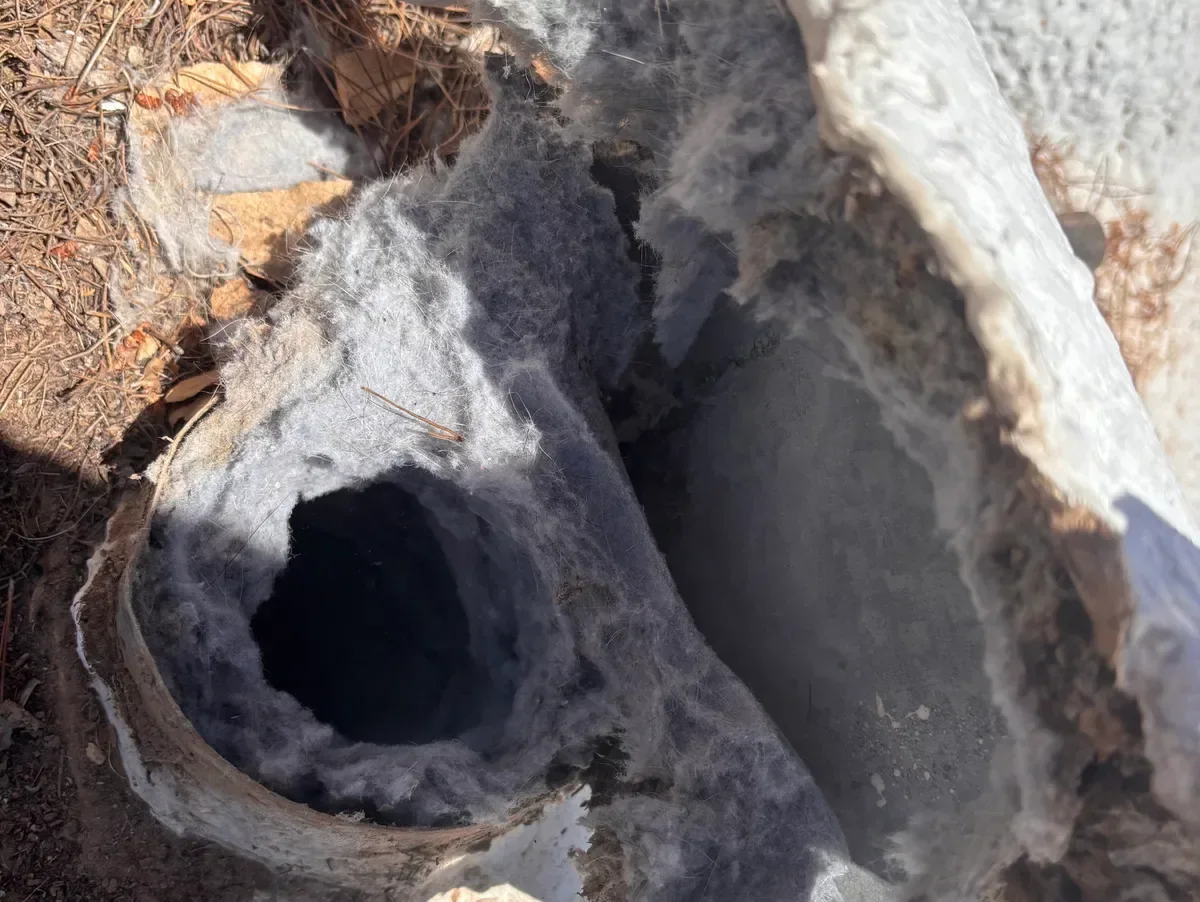
An uncovered cap is about as good as nesting sites get around here. It seals the duct entirely, and the moment the dryer runs it becomes a fire hazard.
Calls answered 7am to 8pm · same-day service usually available
Tell us what you are hearing and where in the house. We will tell you what we think before anyone climbs anything.
How to know that is what you have
- Chirping, scratching or rustling in the wall or ceiling near the laundry
- The dryer went from fine to useless overnight rather than slowly
- Twigs, dry grass or feathers on the ground below the vent
- The same birds landing on the same spot, repeatedly
- A strong smell when the dryer is running
- The dryer shutting itself off partway through, or throwing a code
- It is somewhere between February and May
The suddenness is the giveaway. Lint takes years. A nest arrives over a weekend.
Why Tempe gets this more than most
There is a specific reason and it comes down to the age of the hardware.
That flapper on the cap is the entire defense. Air pressure from the dryer lifts it, and it falls closed once the cycle ends. Straightforward, and it has a finite service life.
Tempe has some of the oldest exterior vent hardware in the Valley. Plenty of these flappers have been sitting in unshaded Arizona sun since the fifties and sixties. They warp. The hinge seizes. They stop closing entirely, and nobody notices because the dryer still works and the flap is eight feet up.
Once that flap is stuck open you have a doorway into a sheltered, elevated, warm cavity. The neighborhoods with mature trees get it worst, which here means Maple-Ash and Mitchell Park and the older streets around them.
Why this is more than an annoyance
The fire risk
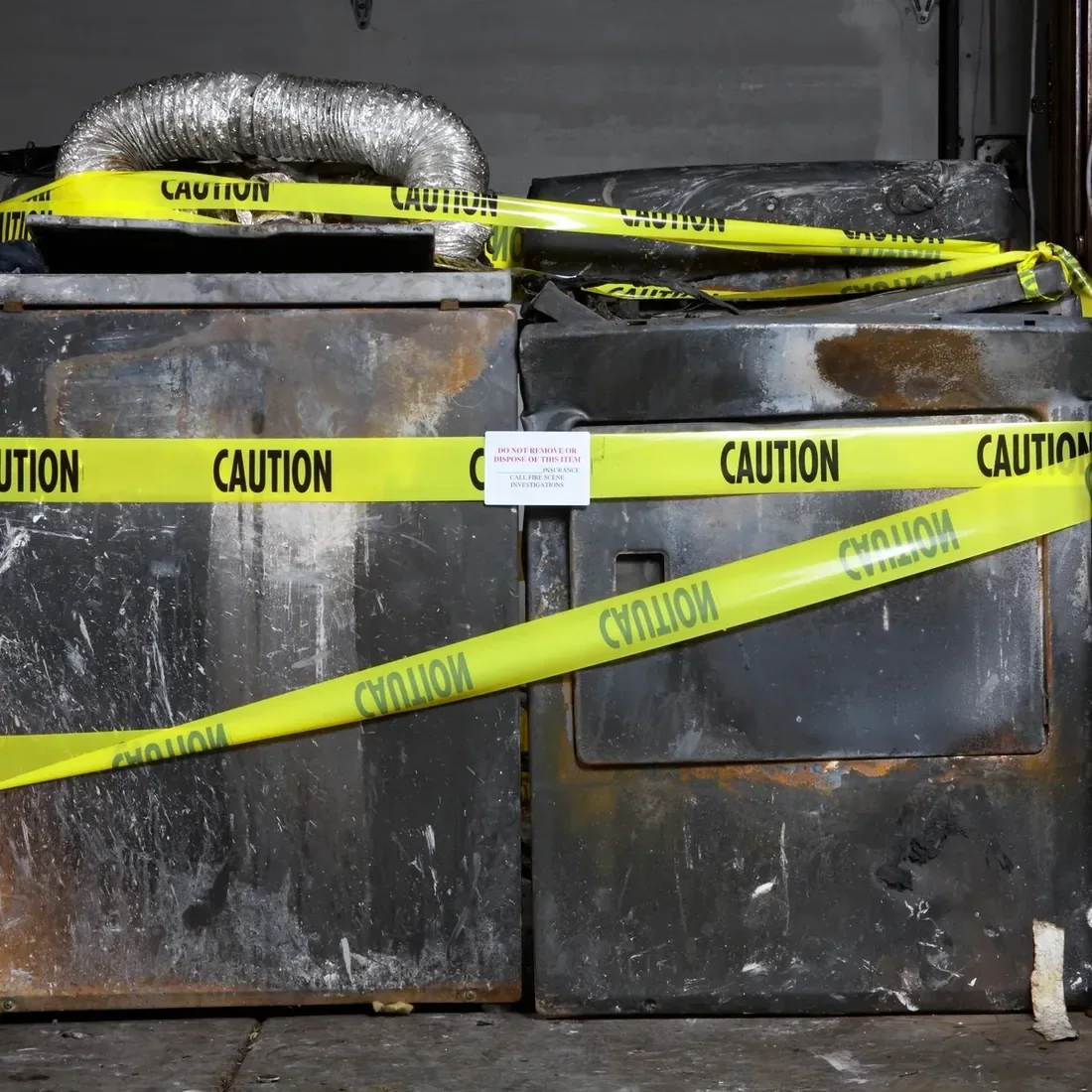
The National Fire Protection Association publishes the numbers below, not us. In their data, failure to clean is the single largest contributing factor in dryer fires and lint is the most common first-ignited material. A nest is that same hazard concentrated into a few inches and made of dry grass.
Source: National Fire Protection Association, Home Fires Involving Clothes Dryers and Washing Machines.
The moisture
Every load has to send humid air somewhere. Blocked completely, it backs into the wall cavity, which becomes drywall damage and mold. In a ninety-year-old house with original materials that is a considerably more expensive problem than it would be in a new build.
The appliance
A fully blocked vent trips the thermal fuse repeatedly. Some machines shut down mid-cycle or throw a code, which at least tells you something is wrong. Others quietly cook themselves for months.
The birds
To be blunt about it, running the machine with a nest in the vent kills whatever is in the nest. For most people that alone settles the question of whether to keep doing laundry and hope it sorts itself out.
Why not to climb up there
The roof
Concrete tile at two stories is dangerous in this climate. It splits underfoot, and a split piece turns into a leak the next time it properly rains.
The law
Whether an occupied nest is federally protected depends on what built it and when. The Migratory Bird Treaty Act covers most native North American species and makes destroying an active nest holding eggs or young an offense.
We work out which of those applies and tell you, instead of guessing or just clearing it. An empty nest and an occupied one are not the same decision.
Why a guard and not a screen
Hardware cloth gets used because it is cheap and it plainly works against birds. It also catches everything the dryer sends out, so inside a season you have swapped a bird problem for a lint problem and the vent is blocked either way.
This is addressed in code, not just by us. The termination must open freely when the dryer runs, and screens are ruled out explicitly, because they pack with lint fast enough to become the very hazard they were meant to prevent. A proper guard passes lint and blocks birds. A screen fitted by a previous owner will get flagged.
We do it properly, not quickly
A quick version of this job exists. Yank the nest, put the cap back, leave. Under ten minutes. It also achieves nothing, since the packed lint that nest was damming up remains in the duct and the cap that let a bird in is still exactly as inviting as it was.
Our sequence: work out what is in the cap and whether it is occupied, remove it, brush the run from one end to the other, then install a proper guard and check the hood and flapper before coming down. Slower, and the only approach that does not put you back here in twelve months.
Keeping them out
- A bird guard on the cap, which is the actual fix
- A flapper that closes properly when the dryer is off
- An intact hood, so there is no open ledge to build on
- Checking the cap in January or early February, before the season starts
- Cleaning the vent on schedule, so somebody is looking at that cap regularly
Questions
How do I know there is a bird nest in my dryer vent?
The tempo gives it away. Lint accumulation is a multi-year process. A nest is built in days, so the dryer goes from functional to hopeless practically overnight. Listen for scratching or chirping in the wall or ceiling near the laundry, and look for twigs and feathers on the ground under the termination.
Is it actually dangerous?
Genuinely, yes. Dry grass and sticks sit against a duct moving hot air, and behind them is however much lint the nest has been holding back. The blockage also sends every load's worth of moisture into the wall cavity instead of outside.
Can I remove it myself?
Our honest advice is no. A two-story concrete tile roof in this climate is a real fall risk, and tile splits underfoot in ways that show up as water damage months later. Separately, an occupied nest can be protected under federal law through the Migratory Bird Treaty Act, which extends to most native species, depending on the time of year.
What stops them coming back?
The fix is a manufactured cap fitted with a bird guard, with openings coarse enough that lint moves straight through and fine enough to keep a bird out. Screen is not the fix. The code language is explicit on this, requiring the termination to open freely under airflow and excluding screens outright, because screens load up with lint and turn into a fire risk.
When is nesting season here?
Roughly February through May for most of the species that go after vents, though it varies by year. If you are going to check your cap, late January is the time.
Does this happen on side-wall vents too?
Yes, and Tempe gets more of it than most places for one specific reason. This city has some of the oldest exterior vent hardware in the Valley, and a flapper that has been seized open since the eighties is just as inviting at eight feet as it is on a roof.
Calls answered 7am to 8pm · same-day service usually available
Nest removal plus the full duct cleaning. Call and describe what you are hearing.